
Fall Furnace Tune-Up Checklist for Sacramento Homes (2026 Guide)
What a real furnace tune-up includes, why it matters in Sacramento, what it should cost, and the maintenance you can do yourself between visits.
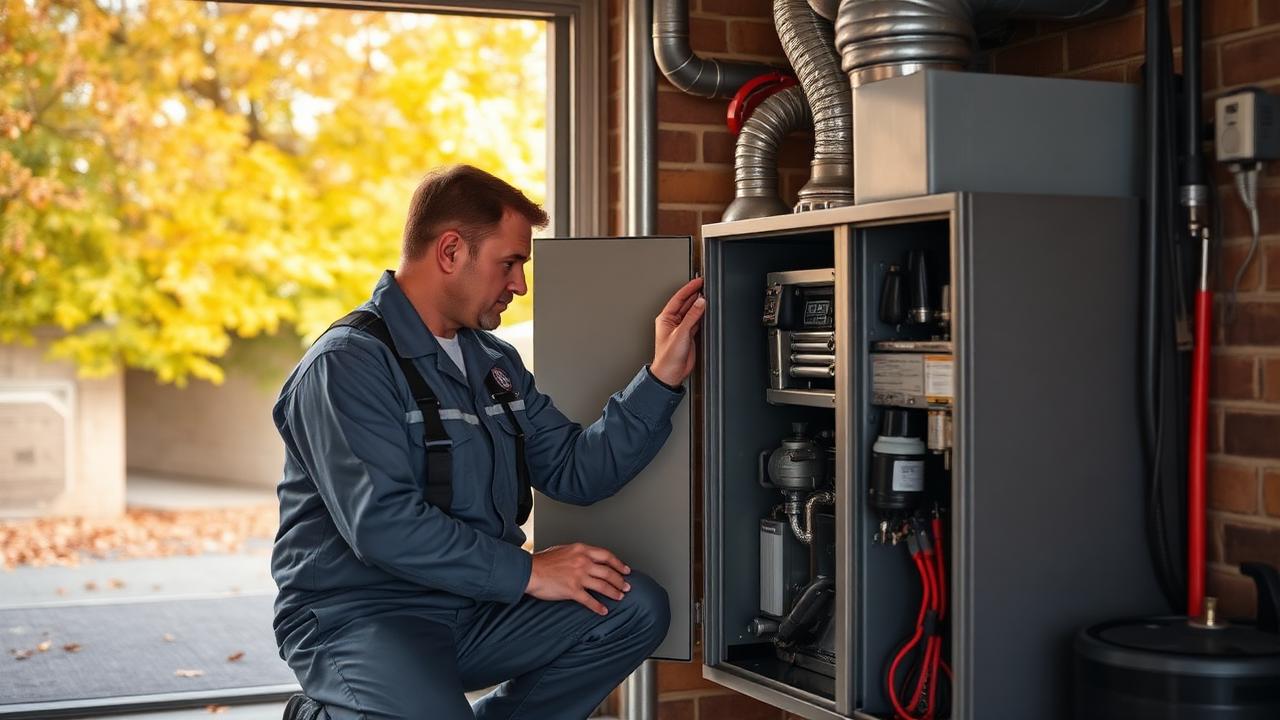
Sacramento winters aren't Minnesota — but those 35°F mornings in December and January still bite, especially when your furnace decides to quit at 5am on the coldest day of the year. A 60-minute fall tune-up is the cheapest insurance you can buy against that scenario, and it catches roughly 80% of the problems that turn into emergency calls.
Why fall tune-ups matter more than people think
Most furnaces sit unused from April through October. During those six months dust settles on the heat exchanger, spider webs collect in the burners, the flame sensor oxidizes, and rodents sometimes nest in the cabinet. The first cold snap hits, the furnace fires up, and any one of those issues can either prevent ignition or — worse — create a real safety hazard.
Three things a tune-up actually buys you:
- Safety. A cracked heat exchanger leaks carbon monoxide. A dirty flame sensor causes the furnace to short-cycle and overheat. These issues kill people every winter.
- Reliability. A tuned furnace is dramatically less likely to fail on the coldest night of the year — the night every HVAC company in Sacramento is booked solid.
- Lifespan and warranty. Most manufacturers require documented annual maintenance to honor the parts warranty. Skip tune-ups, then file a warranty claim, and you'll often get denied.
The 12-point fall tune-up checklist
Here's exactly what we check on every fall furnace tune-up — and what you should expect any reputable Sacramento HVAC contractor to do.
Combustion and safety
- Inspect the heat exchanger for cracks, rust, and corrosion (carbon monoxide risk)
- Test for carbon monoxide at the flue and in living spaces
- Check gas pressure and adjust to manufacturer spec
- Inspect the burners and clean if dirty or rusty
- Test all safety controls — limit switches, rollout switches, pressure switches
Ignition and operation
6. Clean the flame sensor (the #1 cause of "furnace won't stay on" calls) 7. Inspect and test the igniter (hot surface or spark) 8. Verify proper flame characteristics — color, shape, stability 9. Measure temperature rise across the heat exchanger and compare to the data plate
Airflow and electrical
10. Replace or clean the air filter 11. Test blower motor amp draw against nameplate spec 12. Inspect electrical connections and tighten as needed; check thermostat calibration
A good tech will hand you a written report with actual measurements (gas pressure in inches WC, temperature rise in °F, CO ppm), not just a checklist with "OK" written next to everything.
What a tune-up should cost in Sacramento
Honest 2026 pricing in the Sacramento area:
- Single-system tune-up: $89 - $169
- Dual system (furnace + AC) annual plan: $179 - $289
- "Free tune-up" promotions are usually loss leaders designed to upsell repairs — proceed with caution
Anything dramatically below or above this range is a red flag.
What you can do between tune-ups
Monthly during heating season - Check the air filter and replace when gray (every 30-90 days depending on filter type, pets, and how often you run the system) - Glance at the flame through the sight glass — it should be steady and blue, not yellow or flickering - Listen for new noises on startup
Once a season - Vacuum dust from supply and return registers - Make sure no boxes, furniture, or stored items are within 3 feet of the furnace - Test every smoke and CO detector in the house (replace batteries in fall, replace detectors every 7-10 years)
Things to never DIY - Anything inside the burner compartment - Gas line work - Electrical work beyond resetting a breaker - Heat exchanger inspection (requires a borescope and combustion analyzer)
Warning signs to call right now
- Yellow or flickering flame (should be blue)
- Sulfur or "rotten egg" smell — leave the house and call PG&E from outside, then call a tech
- Soot around the furnace or vents
- CO detector going off
- Furnace short-cycles (turns on and off every few minutes)
- Visible rust or scorch marks on the cabinet
Frequently asked questions
How long does a furnace tune-up take? A real one takes 45-75 minutes per system. If a tech is in and out in 20 minutes, you got a filter change and a sales pitch — not a tune-up.
Do I need a tune-up every year? For gas furnaces in Sacramento, yes. Manufacturers require it for warranty, and the safety inspection alone is worth it. Heat pumps and electric systems can sometimes go to every other year if the system is newer than 5 years.
My furnace seems fine — is a tune-up still worth it? "Seems fine" and "actually safe" are different things. Heat exchanger cracks are invisible without a borescope inspection, and a 0.0015% CO leak won't trip your detector but will give you headaches all winter.
Is a maintenance plan worth it? For most Sacramento homeowners with a system 5+ years old, yes — typical plans include both spring AC and fall furnace tune-ups, priority scheduling during heat waves and cold snaps, and 10-15% off any repairs. The break-even is usually one avoided emergency call.
Bottom line
Fall is the cheapest, easiest time to get ahead of your furnace. By December the schedule is full, and by the first cold snap the emergency rates are in effect. Book your tune-up between mid-September and Halloween — you'll get a calmer tech, better availability, and full season of peace of mind.
Schedule your Sacramento furnace tune-up today: call or text River City Heating & Cooling at (916) 585-6277.
Need help in Sacramento?
Same-day HVAC service across the greater Sacramento area. Honest pricing, written quotes, lifetime workmanship guarantee.
Call (916) 585-6277